
10 Fine Motor Activities for Toddlers at Home (Easy, Fun & Montessori-Inspired)
The toddler years are full of exciting milestones. From learning to hold a spoon to drawing their first pictures, every small achievement begins with developing fine motor skills.
Fine motor skills involve the small muscles in a child's hands, fingers, and wrists. These muscles are essential for everyday tasks like buttoning clothes, holding pencils, feeding themselves, and eventually learning to write.
The best part? You don't need expensive equipment or complicated lessons. Many fine motor activities for toddlers at home use simple materials you already have—or educational toys that make learning through play even more enjoyable.
Here are 10 easy activities that help toddlers strengthen their little hands while having fun.
1. Thread Colorful Beads
Threading beads is one of the most effective fine motor activities for toddlers because it requires careful finger movements, hand-eye coordination, and concentration.
Start with large wooden beads and thick strings for younger toddlers. As they gain confidence, gradually introduce smaller beads and more challenging patterns.
Skills Developed
- Finger strength
- Bilateral coordination
- Concentration
- Color recognition
- Early math patterns
Recommended Product
A Montessori bead game encourages independent learning while helping children practice precision and patience.

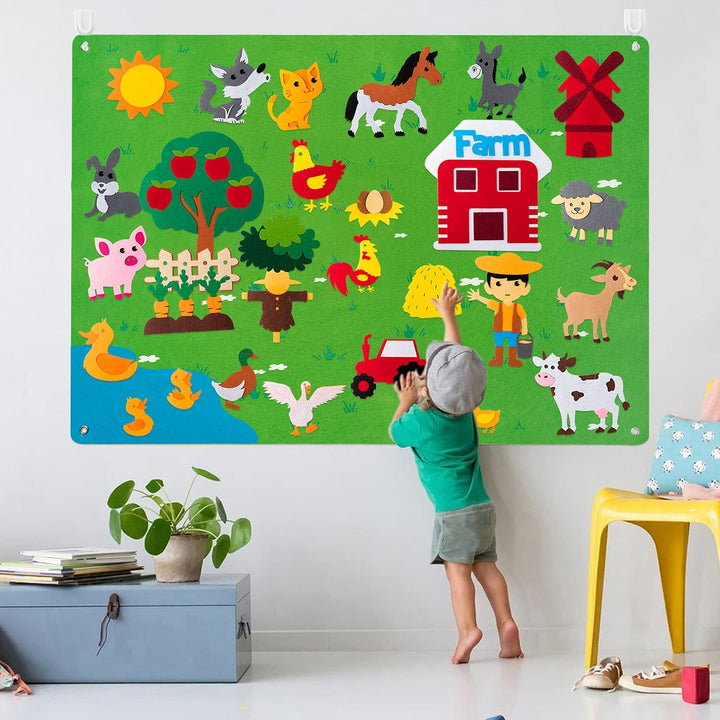
2. Build Stories with a Montessori Felt Board
Storytelling isn't just great for imagination—it also strengthens little fingers.
As toddlers pick up, move, and place felt pieces onto the board, they're practicing grip control and hand coordination without even realizing it.
Encourage them to create farms, oceans, forests, or space adventures using different felt characters.
Skills Developed
- Fine motor control
- Creativity
- Language development
- Problem-solving
Recommended Product
👉 Montessori Learning Felt Board
Perfect for screen-free storytelling and imaginative play.
3. Practice Everyday Skills with a Busy Board
Toddlers love copying what adults do.
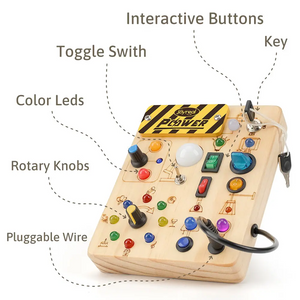
A busy board lets them safely explore buttons, buckles, zippers, latches, switches, and gears—all activities that build practical life skills while strengthening their hands.
Skills Developed
- Finger dexterity
- Hand strength
- Independence
- Problem-solving
Recommended Product
This interactive board combines real-life skills with fun lights and engaging activities.
4. Stack and Sort Blocks
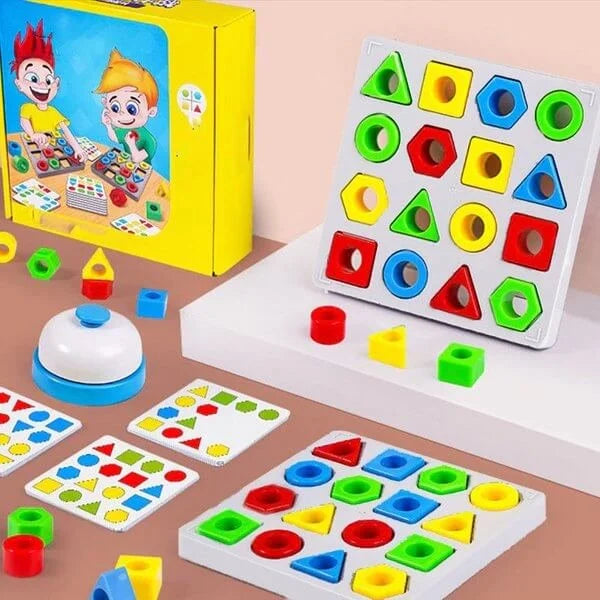
Sorting by color, size, or shape encourages toddlers to carefully grasp and release objects.
Challenge your child to stack blocks as high as possible before they tumble down.
Skills Developed
- Grip control
- Hand-eye coordination
- Early math concepts
- Balance
Recommended Product
👉 Shape Matching Game Color Sensory
5. Water Painting Magic
Give your toddler a paintbrush and a cup of water.
They can "paint" sidewalks, fences, or outdoor furniture while practicing controlled wrist and finger movements.
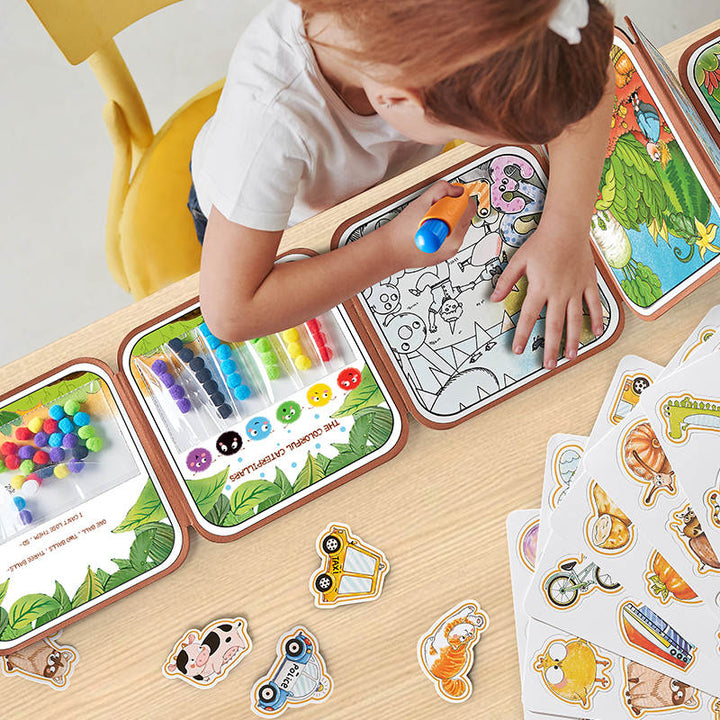
For indoor fun, reusable water coloring books are a fantastic alternative.
Skills Developed
- Pencil grip preparation
- Wrist control
- Creativity
Recommended Product
Mess-free coloring that encourages pre-writing skills and independent creativity.
6. Scoop and Transfer Games
Fill a bowl with pom-poms, cotton balls, or large beads.
Ask your toddler to move them into another container using spoons, tongs, or scoops.
This simple activity strengthens hand muscles while improving coordination.
Skills Developed
- Precision
- Hand strength
- Focus
- Bilateral coordination
7. Sticker Fun
Peeling stickers from a sheet requires surprisingly advanced finger movements.
Let toddlers decorate paper, notebooks, or homemade greeting cards.
Skills Developed
- Pincer grasp
- Finger independence
- Creativity
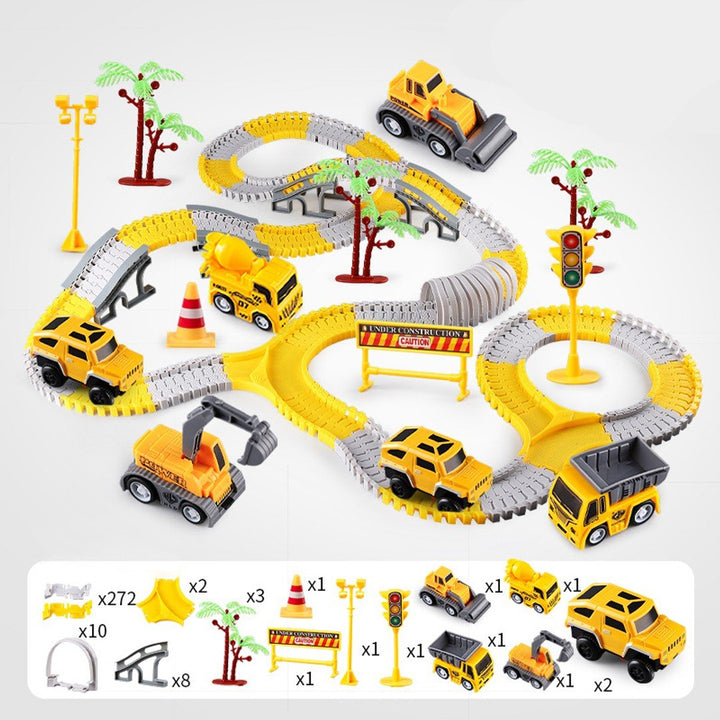
8. Play with Toy Cars
Driving toy cars around homemade roads encourages toddlers to push, grasp, steer, and manipulate objects with control.
Create roads using painter's tape on the floor or build garages with blocks for even more imaginative play.
Skills Developed
- Hand-eye coordination
- Grip strength
- Imagination
Recommended Product
Designed for little hands, these wooden cars encourage open-ended play while supporting fine motor development.
9. Build with Play Dough
Rolling, squeezing, pinching, flattening, and cutting play dough gives children's hands an excellent workout.
Challenge them to create animals, letters, or favorite foods.
Skills Developed
- Finger strength
- Creativity
- Hand flexibility
Recommended product

10. Pick Up Tiny Treasures
Hide safe objects such as large buttons, wooden shapes, or toy animals inside a sensory bin filled with rice or dried beans.
Ask your toddler to find specific items using tweezers or their fingers.
Skills Developed
- Pincer grasp
- Focus
- Sensory exploration
- Hand coordination
Why Fine Motor Activities Matter
Fine motor development affects many everyday tasks your child will encounter as they grow.
Strong fine motor skills help children:
- Hold pencils correctly
- Draw and write with confidence
- Use scissors safely
- Button shirts and zip jackets
- Feed themselves independently
- Complete classroom activities more easily
The earlier children practice these skills through fun, hands-on play, the more confident they become.
Choosing Toys That Support Fine Motor Development
The best fine motor toys encourage children to actively use their hands instead of simply watching lights or pressing buttons.
Look for toys that involve:
- Threading
- Sorting
- Grasping
- Buckling
- Building
- Storytelling
- Problem-solving
Open-ended Montessori-inspired toys are especially valuable because they grow with your child, offering new ways to play as their abilities develop.
Explore More Montessori Toys at Love A Lotter
At Love A Lotter, we believe learning happens best through play. Our carefully selected Montessori-inspired toys are designed to help toddlers build confidence, creativity, and essential life skills while having fun.
Whether you're looking for activities that strengthen little hands or thoughtful educational gifts, you'll find toys that inspire meaningful, screen-free play.
Featured Products to Link in This Article
To improve internal linking and help readers discover related products, naturally add links to:
- Montessori Bead Game (featured in Activity #1)
- Montessori Learning Felt Board (Activity #2)
- Wooden LED Busy Board (Activity #3)
- Magic Water Coloring Book (Activity #5)
- Montessori Toy Cars Set (Activity #8)
FAQs
At what age should toddlers start fine motor activities?
Most toddlers can begin simple fine motor activities around 12–18 months, using large, easy-to-grasp objects. As they grow, you can introduce more challenging tasks like threading beads, using tweezers, or completing busy board activities.
How often should my toddler practice fine motor skills?
Just 15–30 minutes of hands-on play each day can help strengthen fine motor skills. The key is consistency and choosing activities your child genuinely enjoys.
Are Montessori toys good for fine motor development?
Yes. Montessori toys are designed to encourage active, hands-on learning. Activities like threading beads, using busy boards, and arranging felt pieces naturally build hand strength, coordination, concentration, and independence.
What are the best fine motor toys for toddlers?
Some of the best options include bead games, busy boards, felt boards, stacking toys, lacing toys, and reusable water coloring books. These toys combine fun with skill-building, making them ideal for everyday play at home.